Diesel Prices Reach Record High in Poland, Opposition Warns of Further Increases
09/13/2026 / By Sterling Ashworth
Record Diesel Prices in Poland
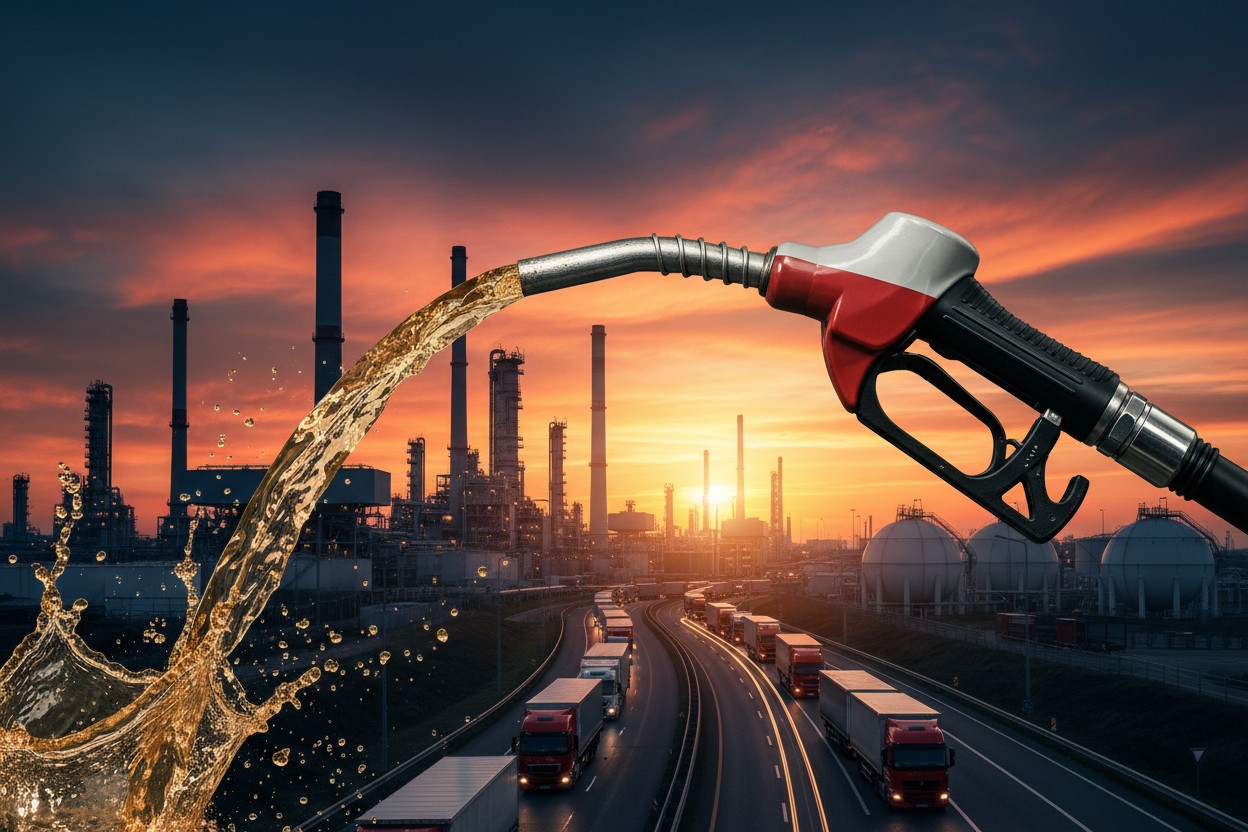
Diesel prices in Poland have reached record highs, with average prices at 8.75 Polish zloty ($2.35) per liter, according to the e-petrol.pl price report [1].
The increase marks a continuation of a months-long upward trend that has seen fuel costs climb steadily across the country. Commercial drivers and logistics companies report that the current price levels are placing significant strain on their operations, with some routes becoming economically unviable at current rates [2].
The price surge follows patterns observed across the European Union, where diesel has become the most expensive fuel in the bloc’s history. Polish motorists now pay approximately 20% more per liter than they did at the beginning of the fiscal year. The national average price masks regional variations, with stations in western Poland near the German border charging even higher rates due to cross-border purchasing patterns [3].
Industry analysts point to the combination of global crude oil costs, refining capacity constraints, and the depreciation of the zloty against the dollar as primary drivers of the price increases. Poland imports approximately 60% of its crude oil, making domestic fuel prices particularly sensitive to international market fluctuations [4]. The country’s reliance on imported energy has amplified the effects of global price movements on Polish consumers.
Opposition Response and Warning
Mariusz B?aszczak, vice president of Law and Justice (PiS) and head of the party’s parliamentary caucus, issued a public statement warning that further increases are likely in the coming months [5]. B?aszczak criticized the current government’s energy policy, arguing that the administration has failed to secure adequate fuel reserves or diversify supply sources. The opposition leader stated that the government’s approach to energy markets has left Poland vulnerable to external price shocks [6].
The warning comes as trucking associations across Poland have begun organizing protest actions, mirroring similar demonstrations in France and Spain. Polish haulers report that diesel accounts for approximately 30% of their operating costs, and the current price levels are forcing some small operators to suspend services [7]. The transportation sector has called for immediate government intervention, including temporary fuel tax reductions and subsidies for commercial operators [8].
Economic analysts note that the fuel price increases will likely contribute to broader inflationary pressures in the Polish economy. Transportation costs feed directly into the prices of consumer goods, and the timing of the increases could complicate the central bank’s efforts to manage inflation [9]. The Polish Chamber of Commerce has projected that the fuel price surge could add between 0.5 and 0.8 percentage points to the country’s annual inflation rate if current levels persist.
European Fuel Market Context
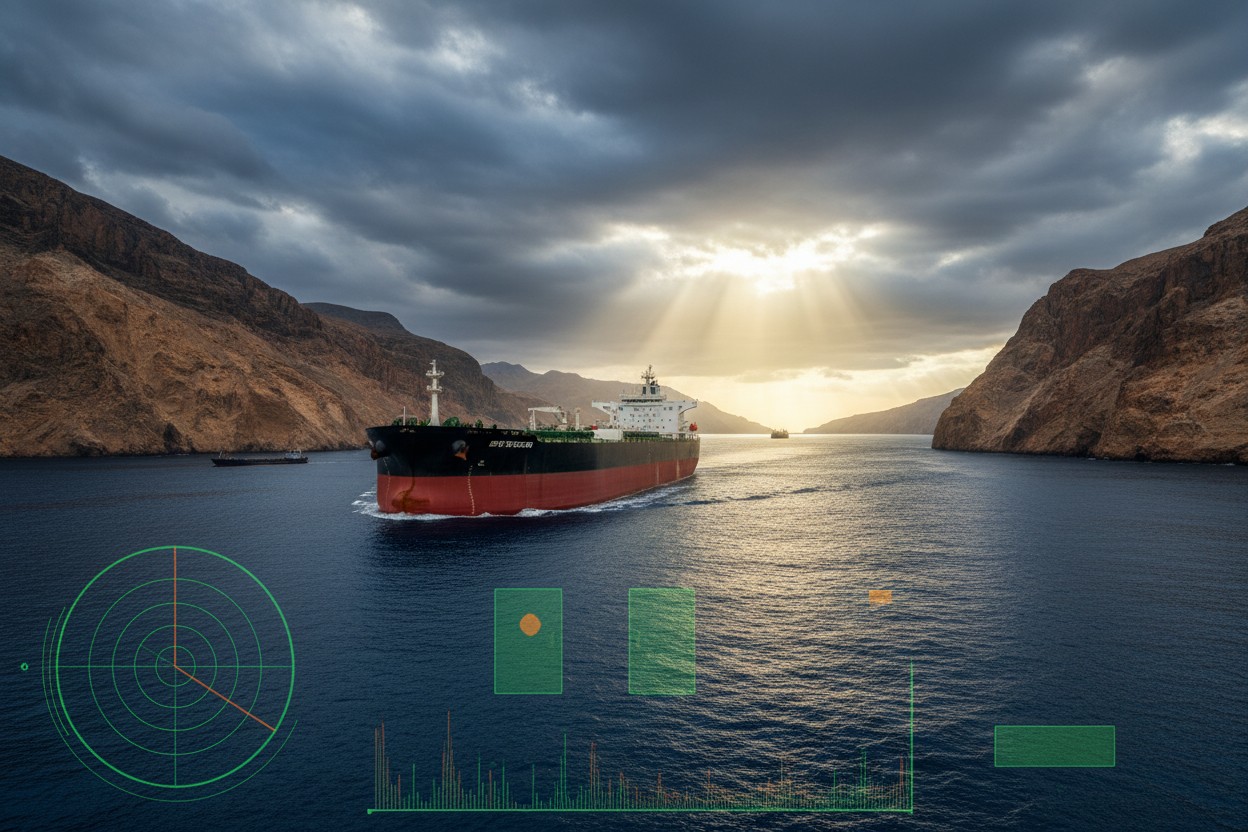
The price increases in Poland come amid broader European fuel price trends, with diesel costs rising across multiple markets, according to reports [10]. European refining capacity has declined in recent years, with several major facilities closing or reducing output due to environmental regulations and changing demand patterns [11]. The reduced capacity has made the European market more dependent on imports from Asia and the Middle East, increasing vulnerability to supply disruptions.
International sanctions and trade policies have further complicated the European fuel supply situation. The European Union’s restrictions on Russian oil products, implemented in response to the invasion of Ukraine, have forced member states to source diesel from alternative suppliers at higher costs [12].
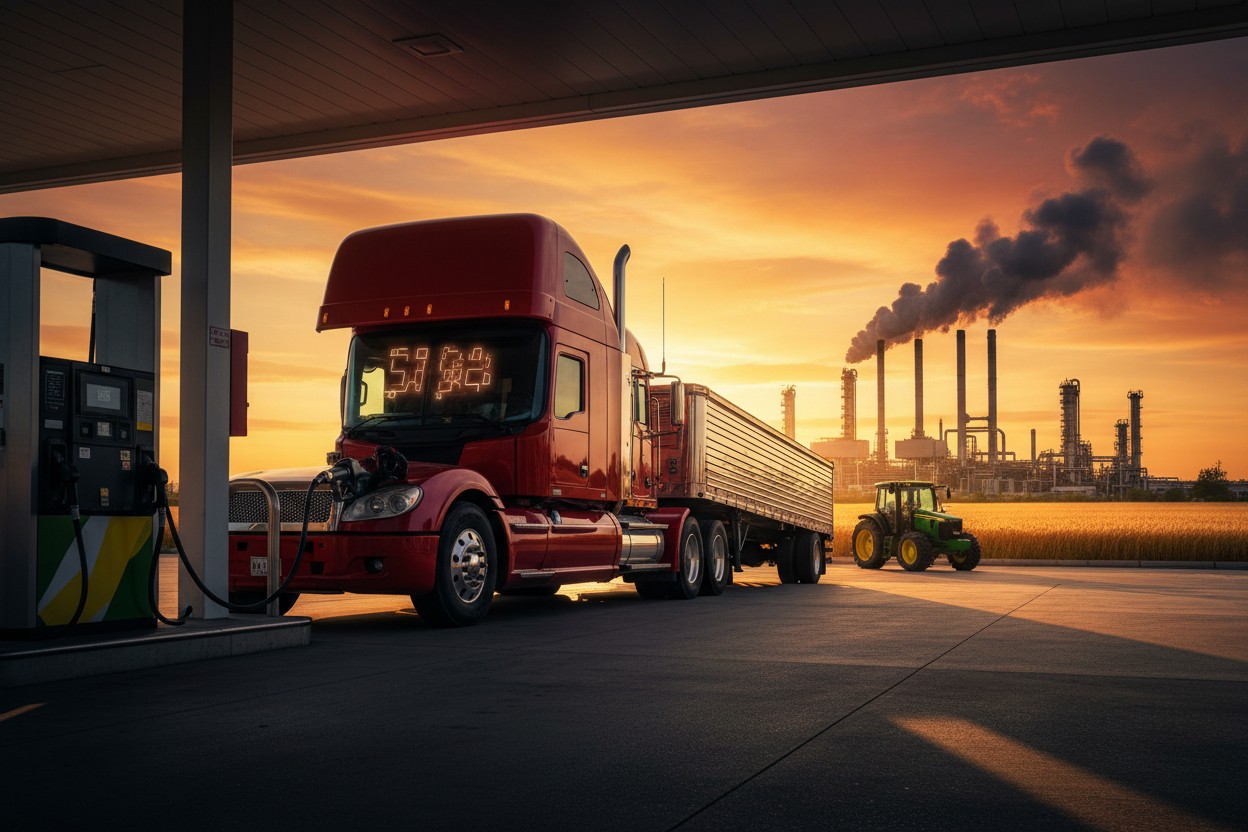
Polish importers have had to compete with other European buyers for limited supplies of non-Russian diesel, driving prices upward through competitive bidding. Large commercial vehicles, including big rigs operating on Polish highways, consume approximately 36.5 billion gallons of diesel annually across the European market, making the fuel price increases a significant factor in cross-border trade economics [4]. The situation has created observable effects on trade patterns, with some logistics operators reassessing route viability based on fuel costs [7].
European energy ministers have held several emergency meetings to discuss the fuel price situation, but no consensus has emerged on coordinated policy responses. Some member states have implemented temporary tax reductions, while others have provided direct subsidies to vulnerable sectors. Poland’s government has not announced specific measures to address the diesel price increases, despite growing pressure from opposition parties and industry groups [5].
Economic and Trade Implications
The diesel price surge presents significant challenges for Poland’s export-oriented economy. Polish manufacturing and agricultural sectors depend heavily on road transport, and the increased fuel costs are eroding the competitiveness of Polish goods in international markets [9]. Trade between Poland and its primary partners, including Germany and the Czech Republic, has become more expensive to facilitate, with transportation surcharges appearing on invoices across multiple industries [7].
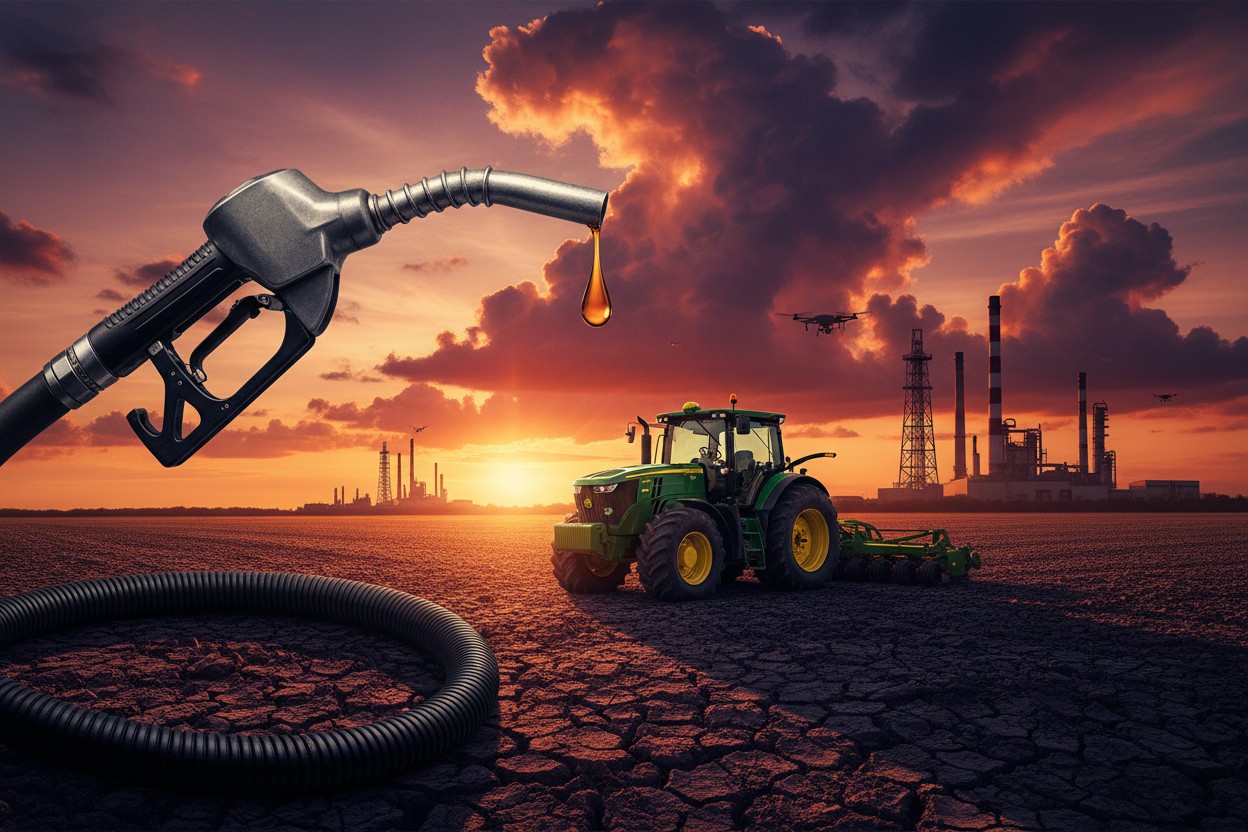
The agricultural sector has been particularly affected, as Polish farmers prepare for the harvest season with elevated fuel costs. Crop production requires substantial diesel inputs for planting, spraying, and harvesting operations, and the current price levels are expected to reduce farm profitability [2]. Agricultural associations have requested government assistance, warning that the fuel costs could force some smaller farms to reduce production in the coming season.
The Polish logistics industry employs approximately 300,000 people, and the current fuel prices are affecting employment stability in the sector. Several large transport companies have announced hiring freezes, and smaller operators are exploring consolidation options to achieve economies of scale [8]. Industry observers note that the situation could accelerate the trend toward larger logistics firms, as smaller operators lack the purchasing power to negotiate favorable fuel contracts with suppliers.
References
- “Polish fuel price monitoring report” – e-petrol.pl, May 2025.
- “Agricultural sector impact assessment: Rising input costs” – Polish Ministry of Agriculture Report, May 2025.
- “Regional price variations in Polish fuel markets” – Polish Oil Industry and Trade Organization (POPiHN) Statistics, May 2025.
- “Fuel consumption patterns of commercial vehicles in Europe” – European Automobile Manufacturers Association (ACEA) Data, 2025.
- “Law and Justice party statement on fuel prices” – PiS Communications Office, May 2025.
- “B?aszczak criticizes government energy policy” – Polish Press Agency (PAP), May 2025.
- “Cross-border trade: Transportation costs in Central Europe” – Polish Chamber of Commerce Quarterly Report, Q2 2025.
- “Polish trucking industry response to diesel costs” – Polish Transport and Logistics Association Report, May 2025.
- “Inflation projections incorporating fuel price developments” – Polish Economic Institute Analysis, May 2025.
- “Diesel price trends across European markets” – Eurostat Fuel Price Database, May 2025.
- “European refining capacity: Declining output and its consequences” – International Energy Agency Report, 2025.
- “EU sanctions on Russian oil products: Economic impact assessment” – European Commission Energy Directorate Report, 2025.
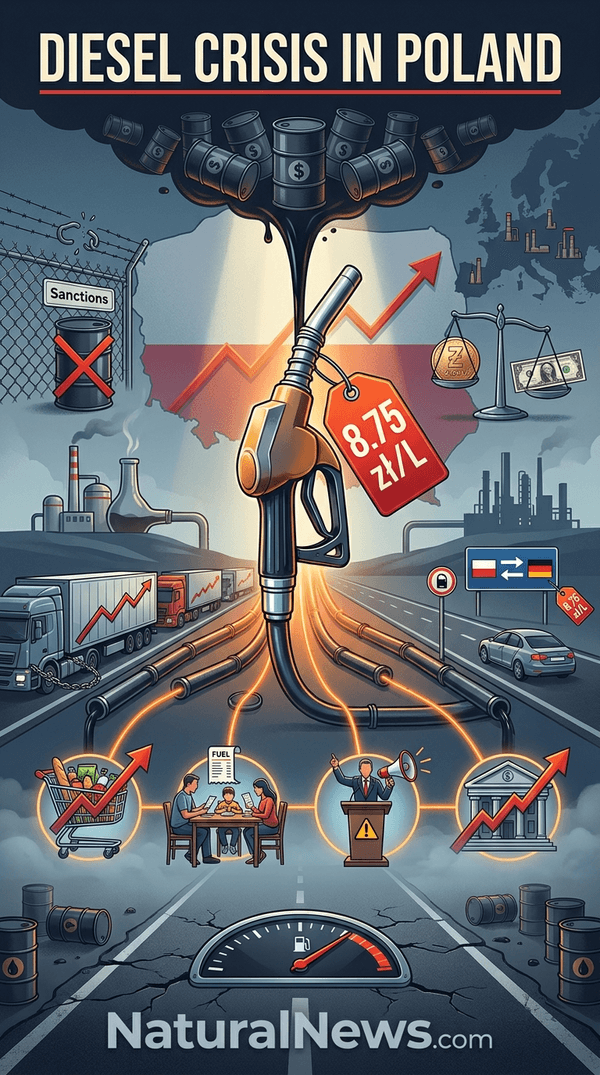
Explainer Infographic
Submit a correction >>
Tagged Under:
Collapse, consumer, crops, crude, diesel, diesel fuel, diesel prices, economy, energy, energy prices, famine, farm outputs, farming, food scarcity, fossil fuels, fuel, fuel supply, gas prices, gasoline, harvest, hunger, inflation, oil prices, Poland, retail, risk, shortages, starvation, supply chain
This article may contain statements that reflect the opinion of the author
RECENT NEWS & ARTICLES